
The prestigious Lumière Festival in Lyon is one of the most important events dedicated to presenting films from the golden treasury of world cinema. Several Slovak films have already been presented at this festival in the past; this year, Slovak cinema will be represented by the digitally restored film The Bells for the Barefooted (1965) by Stanislav Barabáš. The festival takes place from October 11 to 19, and Barabáš’s film will be screened at two showings.
The Lumière Festival focuses on significant works from film history and highlights the importance of preserving them today. Its program is dedicated to restored classic films, retrospectives, and tributes to major filmmakers. An important part of the festival is the Lumière Classics label, whose aim is to highlight the thorough and active work of film archives around the world, which consists of restoring, renewing, and bringing classic films back to “life.” Each year, Lumière Classics exclusively presents the best restored films of the 20th century, including lesser-known or forgotten titles from archives, in the Treasures and Curiosities section.
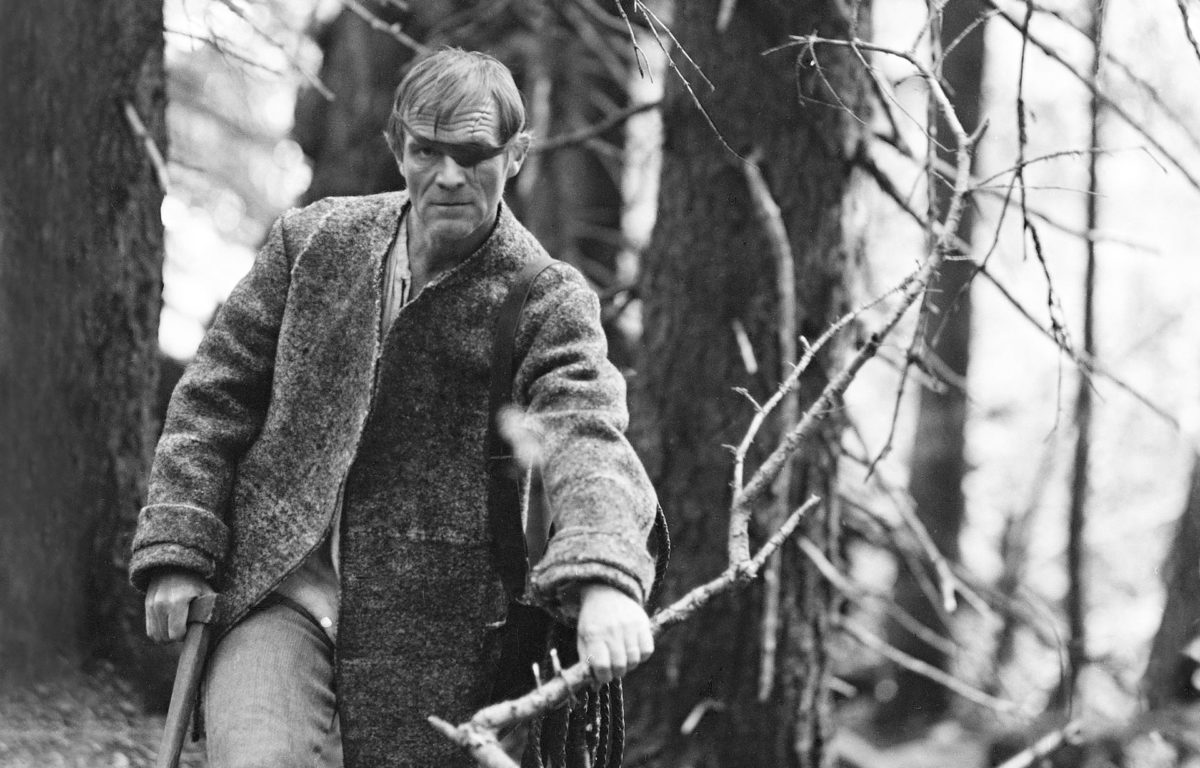
In this year’s edition, the Treasures and Curiosities section will include Stanislav Barabáš’s The Bells for the Barefooted. As in his debut The Song of the Grey Pigeon (1961), Barabáš responds to the events of World War II and the Slovak National Uprising. The film’s central characters are two friends – partisans – who, while returning to their unit, are dragging along a captured German soldier. In the midst of desolate, snow-covered mountains, people from two enemy camps find themselves face to face. While the partisans lose contact with their unit, the German loses hope of surviving the situation. The cinematography by Vincent Rosinec transforms the endless white landscape into a captivating cinematic environment, where the characters sometimes stand out and sometimes fade into the vast embrace of nature.
Barabáš’s film appears in the Treasures and Curiosities section alongside films such as The Window to Luna Park (1957) by Luigi Comencini, The Secret Killer (1965) by Robert Hossein, and Pharaoh (1965) by Jerzy Kawalerowicz. “For Slovak cinema, it is an achievement that classic Slovak films which have undergone restoration and digital remastering can be presented at such an important festival as Lumière Lyon. It often determines the further festival life of the film, and for presenting our audiovisual heritage abroad, this is very significant,” said Rastislav Steranka, Director of the National Cinematographic Centre of the Slovak Film Institute (SFI). According to him, it is “the most dignified way for a classic Slovak film – our audiovisual heritage – to reach audiences around the world again, decades after its creation.”
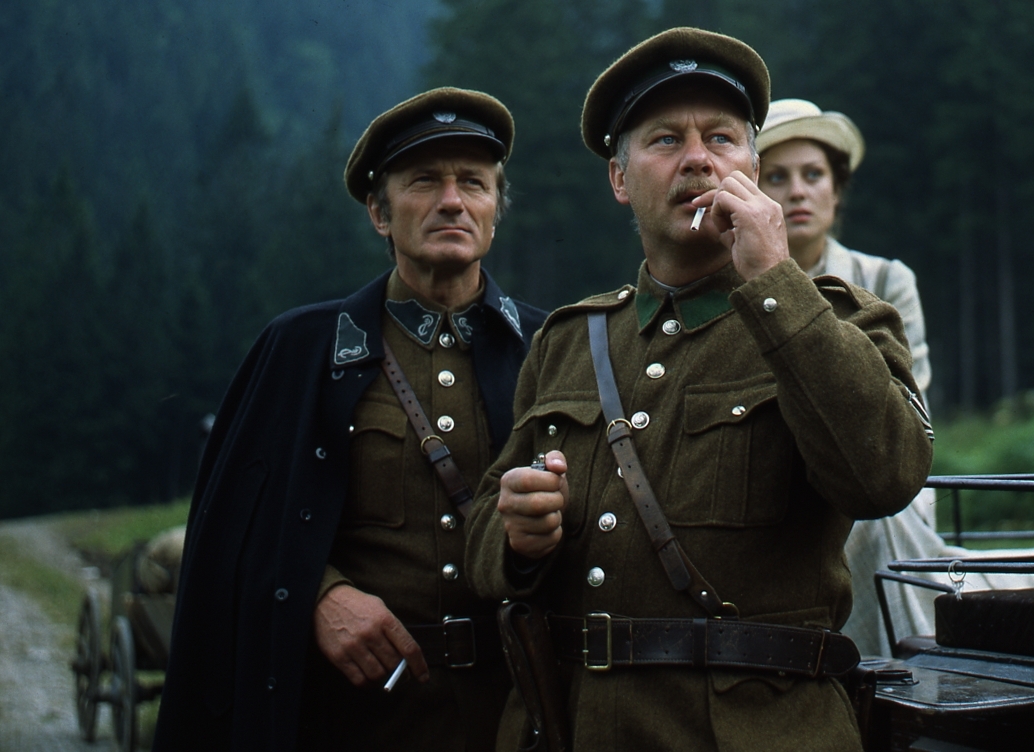
In previous years, several digitally restored Slovak films have already been screened at the Lumière Festival. The first was Viktor Kubal’s animated film The Bloody Lady (1980); festival audiences have also seen Elo Havetta’s Wild Lilies (1972), Peter Solan’s tragicomedy The Case of Barnabáš Kos (1964), two films by Martin Hollý Night Riders (1981) and A Case for the Defense Counsel (1964) as well as Eduard Grečner’s drama Dragon’s Return (1967). According to Rastislav Steranka, the presentation of Slovak films at this prestigious classic film festival represents “significant recognition and appreciation of our systematic work in preserving, protecting, and making Slovak film heritage accessible.”
Screenings:
17 October | 14:15 | Institut Lumière
18 October | 11:00 | Lumière Terreaux
More information at: http://www.festival-lumiere.org/en/