
In the Brazilian city of Porto Alegre, from October 17 to November 2, the Filmoteca Capitólio will host a showcase titled Heroines of Czechoslovak Film. The event will feature more than forty classic feature and short films that highlight the presence of women in Czech and Slovak cinema. Representing Slovak cinematography at the showcase will be the first lady of animated filmmaking, Jaroslava Havettová.
The goal of Heroines of Czechoslovak Film in Porto Alegre is to draw attention to the importance and contributions of women in all areas of life, including cinematography. “We agreed that the theme of the woman as the heroine of Czechoslovak film is very interesting and will resonate in Brazil,” says Viliam Rosenberg, Counselor-Minister of the Embassy of the Slovak Republic in Brazil. “The original idea was to present the woman as a film heroine, not women as actresses, directors, and so on. Later, however, we decided it was not necessary to limit the topic and that it would be more beneficial to present women also as main characters, as ‘creators’ – directors, screenwriters, cinematographers…” Thus, the local film archive will screen Czech and Slovak films either directed by women or featuring women in leading roles. The selection spans various periods, from silent films to works from the 1960s and 1980s.
The choice of films emphasizing “heroines” in Slovak cinema followed the established dramaturgy of the showcase. After the organizers showed interest in the works of female film directors, “the selection of the Slovak section naturally focused on women authors who made short animated films,” explains Marián Hausner, Director of the National Film Archive of the Slovak Film Institute (SFI). He notes that “on one hand, short films, despite their inventiveness, are generally less visible, even though in the past they were an inseparable part of a film program. On the other hand, we made this decision also because the program includes Viktor Kubal’s feature-length animated film The Bloody Lady. Our aim was therefore to draw attention to Slovak animation, where female directors have left a significant mark.”
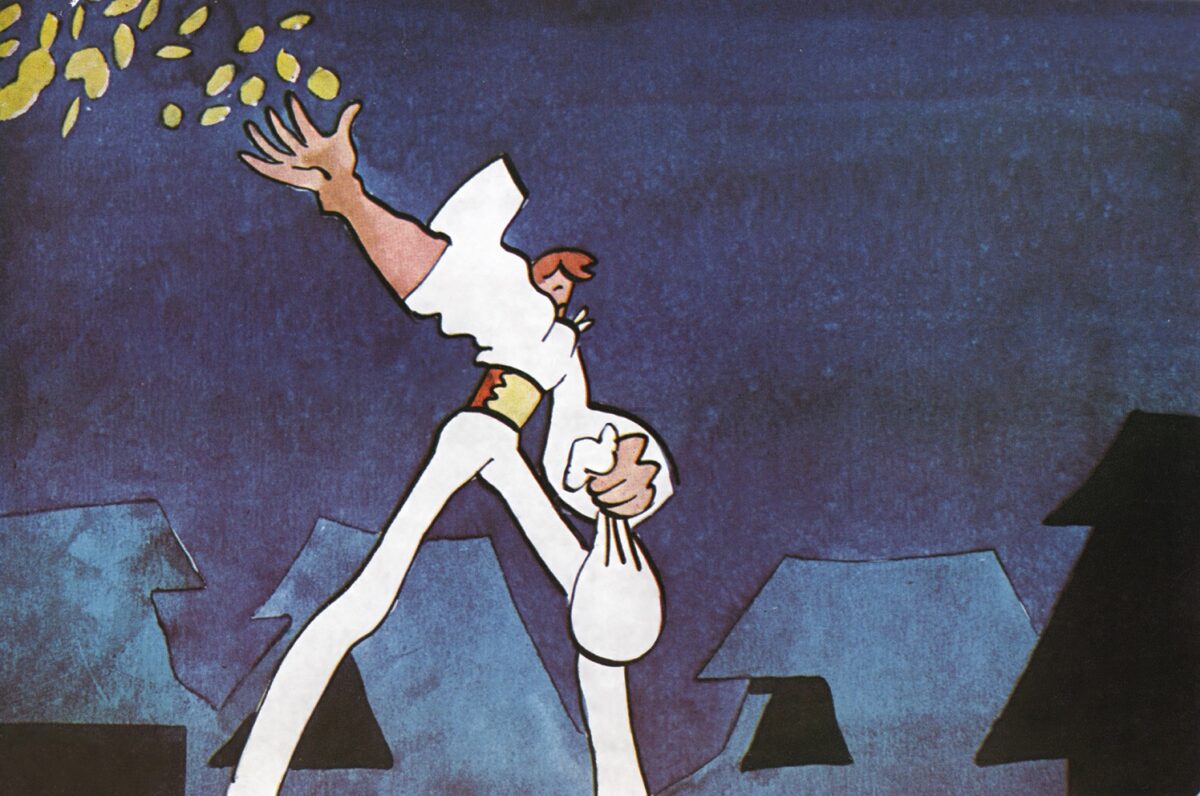
Slovakia will be represented by Jaroslava Havettová, the first lady of Slovak animation, who was already part of the formation of Slovak animation in the 1960s and, with one longer break, has been continuously involved in the field. Havettová’s films are characterized by a distinctive poetic style. They explore moral themes, fate, sacrifice, and the position of the individual in society. They examine the individual traits of the protagonist and connect them with the broader issues of the time. At the Filmoteca Capitólio in Porto Alegre, eight of Havettová’s short films will be screened, ranging from her early works of the 1960s — The Song (1969), Statue (1969), Until the Pitcher Is Broken at Last (1971) — to her especially prolific period of the 1980s, including Contacts (1980), The Last Stone (1982), Heeelp! (1985), Why We Like Hens (1986), and Fate (1988).
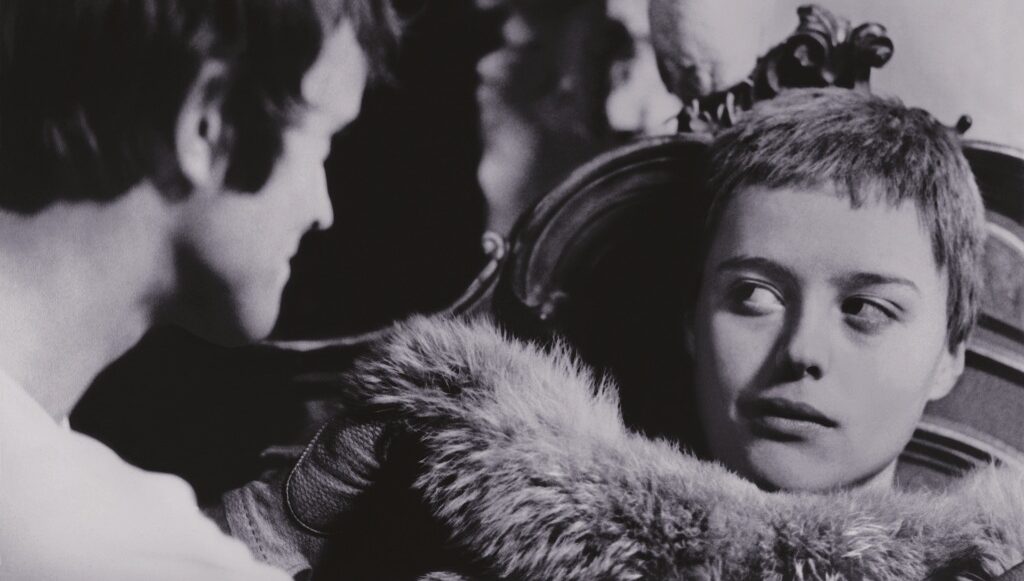
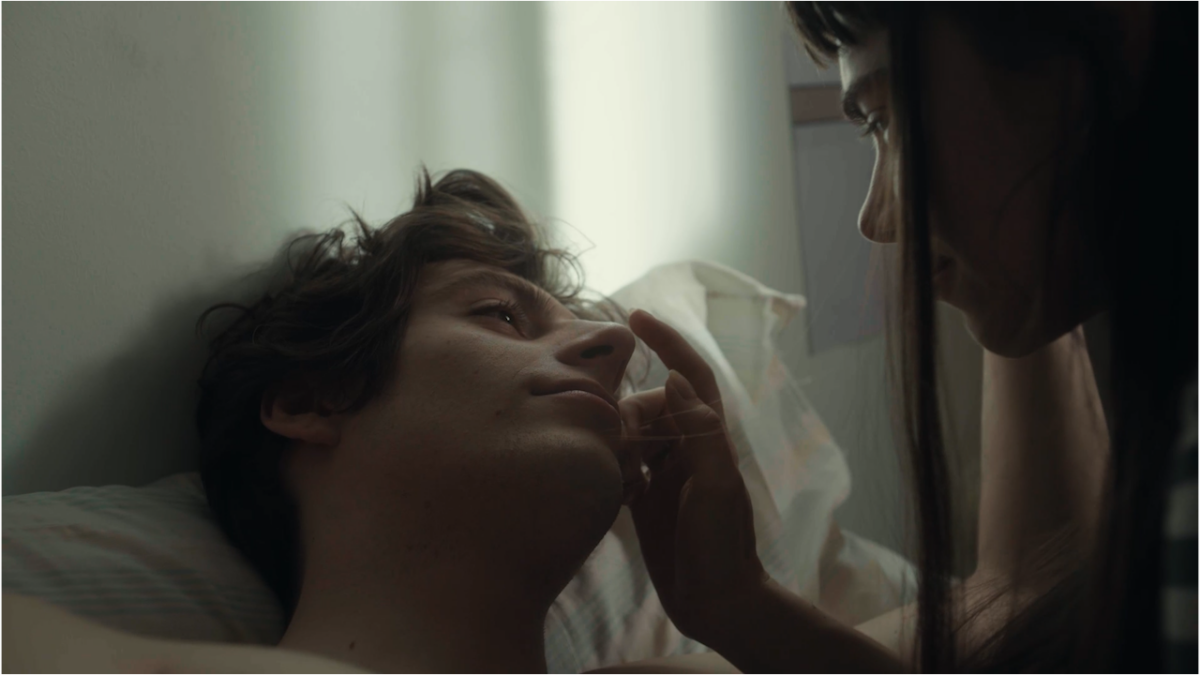
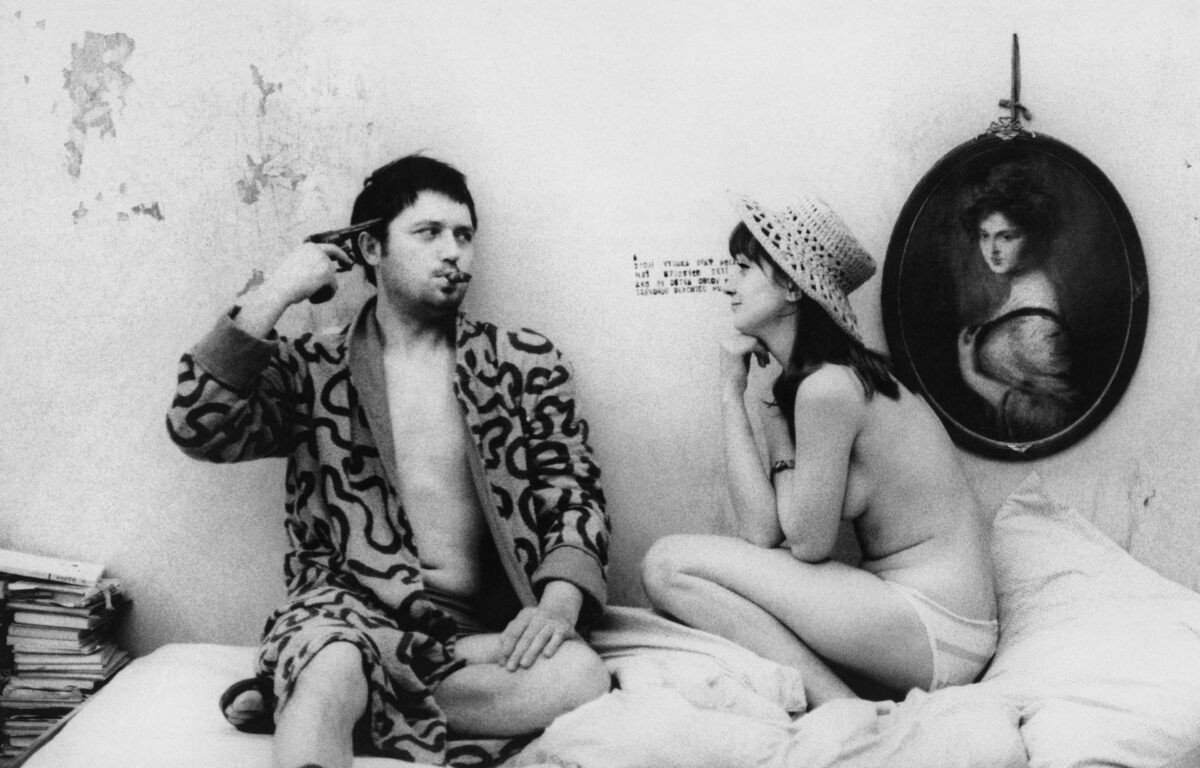
In addition to Havetta’s films, the showcase will also feature short films by other Slovak women directors of animated films — An Ordinary Story (1982) by Zlatica Vejchodská, Dough (1986) by Jana Blechová, A Ballad in Lace (1981) by Dagmar Bučanová, and The Sun Maiden (1976) by Helena Slavíkova-Rabarová — which draw not only on Slovak traditions but also reflect on the society of their time. Their screenings are thematically linked in a block with the feature films Celebration in the Botanical Garden (1969) by Elo Havetta, Before Tonight Is Over (1965) by Peter Solan, Silent Joy (1985) by Dušan Hanák, Cathy (1949) by Ján Kadár, The Miraculous Virgin (1966) by Štefan Uher, and The Bloody Lady (1980) by Viktor Kubal, which will be shown together with his short film Selection (1982). All of the selected feature films highlight strong female characters in Slovak cinema.
The showcase Heroines of Czechoslovak Film follows up on the successful event Forbidden Czechoslovak World, held in Porto Alegre in the autumn of last year and in São Paulo in the spring of this year. “In organizing this year’s edition, our intention was not to look for connections between this festival and last year’s film showcase,” notes Viliam Rosenberg. “We want to present a new theme, a new focus, new ideas, new films. However, the connection with last year’s festival naturally remains — the shared Czechoslovak film production of past decades.” The Slovak films featured in the showcase come from the collections of the Slovak Film Institute (SFI). After selected screenings, discussions will be held for interested audience members.
More information about the Heroines of Czechoslovak Film showcase on the official website