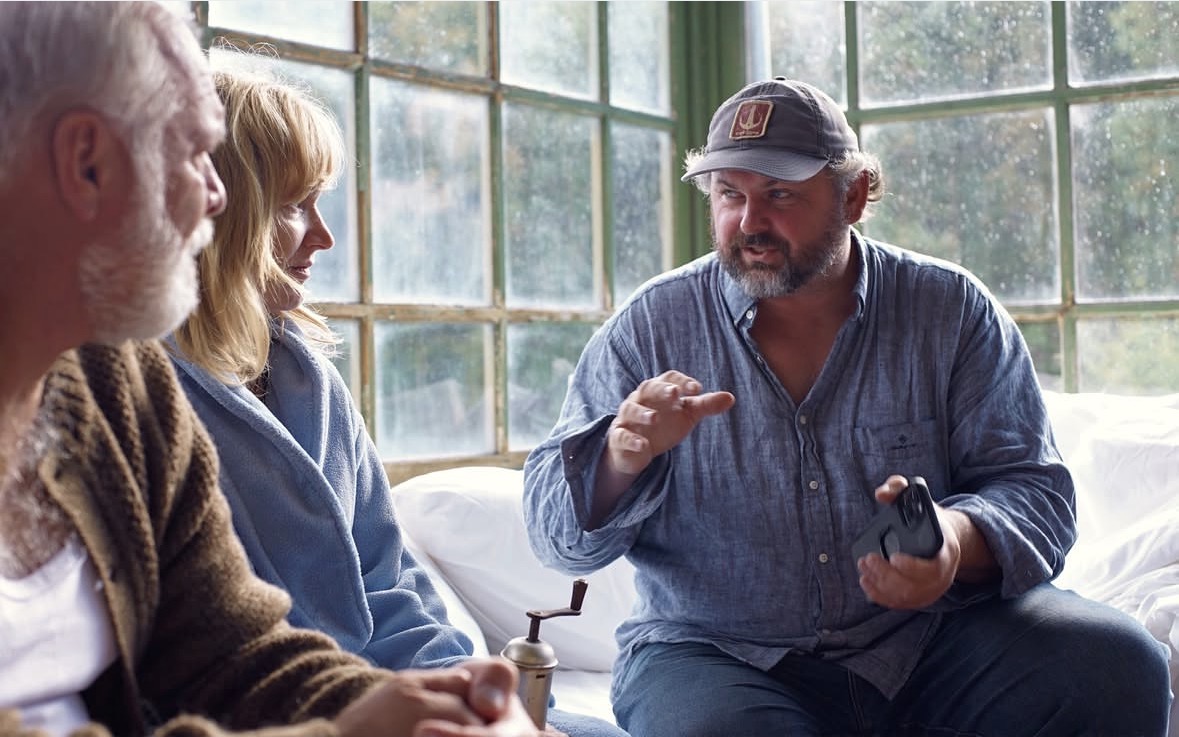
Ivan Ostrochovský is an acclaimed Slovak director and producer who hardly needs an introduction. His work speaks for itself, including films such as: Koza (2015), Servants (2020) or Photophobia (2023), and numerous producing successes: 107 Mothers (2021), Nepela (2025), Broken Voices (2025), and many others. This year, at the Karlovy Vary International Film Festival (3–11 July 2026), he will present three new films: Only Beautiful Things to Look At and Igor and After as a director, and 33 Steps as a producer.
Presenting three films at one international festival in a single year (two of them your own directorial works) is quite an extraordinary achievement. I won’t ask which premiere you are looking forward to the most, as I imagine your relationship with each project is different. Nevertheless, how do you perceive this unique situation?
Basically, I see presenting three films at once as a mistake. (laughs) I think it would have been wiser to premiere one film per year. Each of these three films is important for a different reason: 33 Steps marks the beginning of Anna and Šimon Domček’s filmmaking journey, Igor and After portrays the final chapter of cinematographer Igor Luther’s career and Only Beautiful Things to Look At is my first appearance in the Crystal Globe Competition as a director.
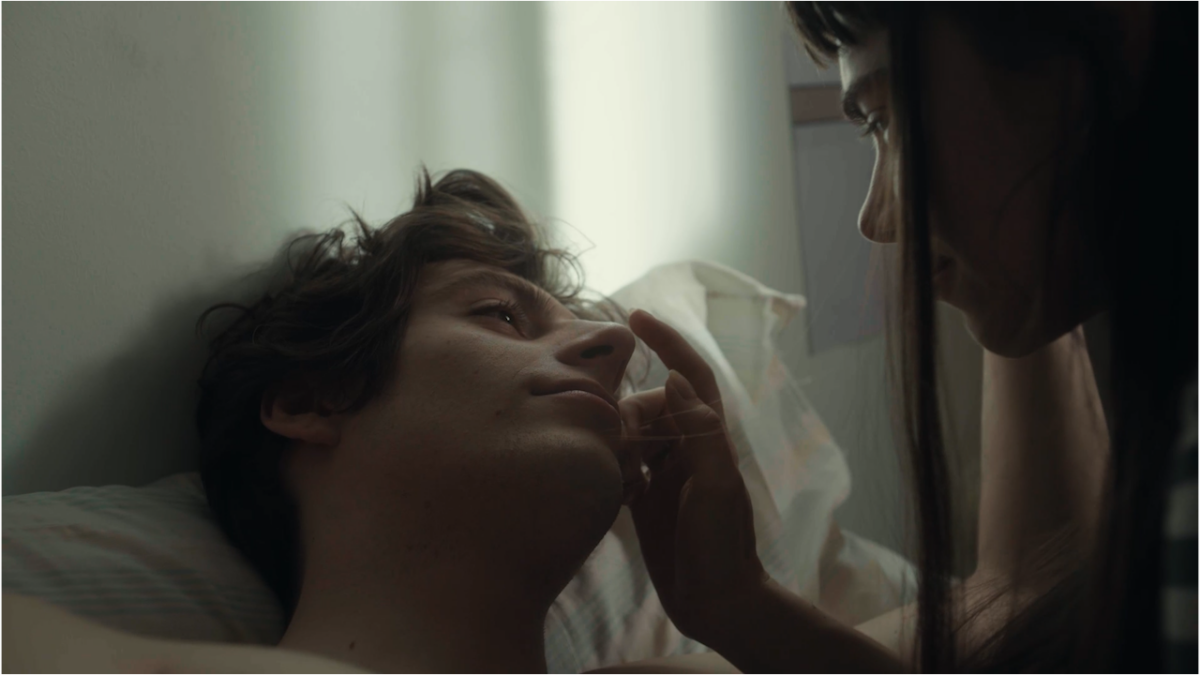
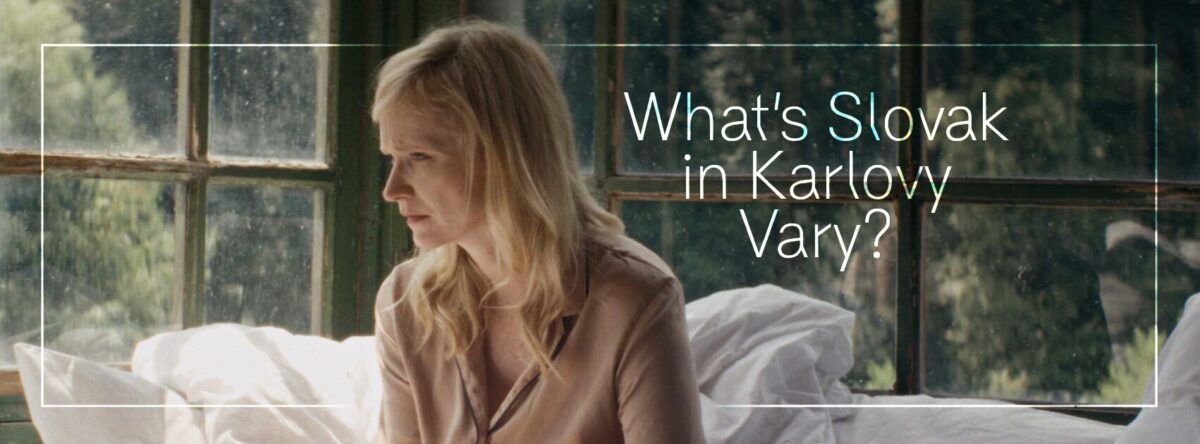
Only Beautiful Things to Look At opens up an unresolved chapter of Czechoslovak history, a time when the state had the power to decide who could have children. When, how, and why did the idea for the film emerge?
The inspiration came from a conversation I had with my mother many years ago about the functioning of abortion commissions during the period of Normalisation. While researching these commissions with screenwriter Marek Leščák, we came across the issue of the sterilisation of Roma women.
This has been a long-term project. Back in 2021, you presented it at the Berlinale Co-Production Market, and later in 2024 at Les Arcs Works in Progress. How did these platforms help shape the project?
They changed it, of course. That is essentially what these platforms are designed for: to test a project’s viability throughout the production process and adjust it when necessary. For us, it is important to continuously evaluate whether the film remains understandable to film professionals coming from different cultural backgrounds.
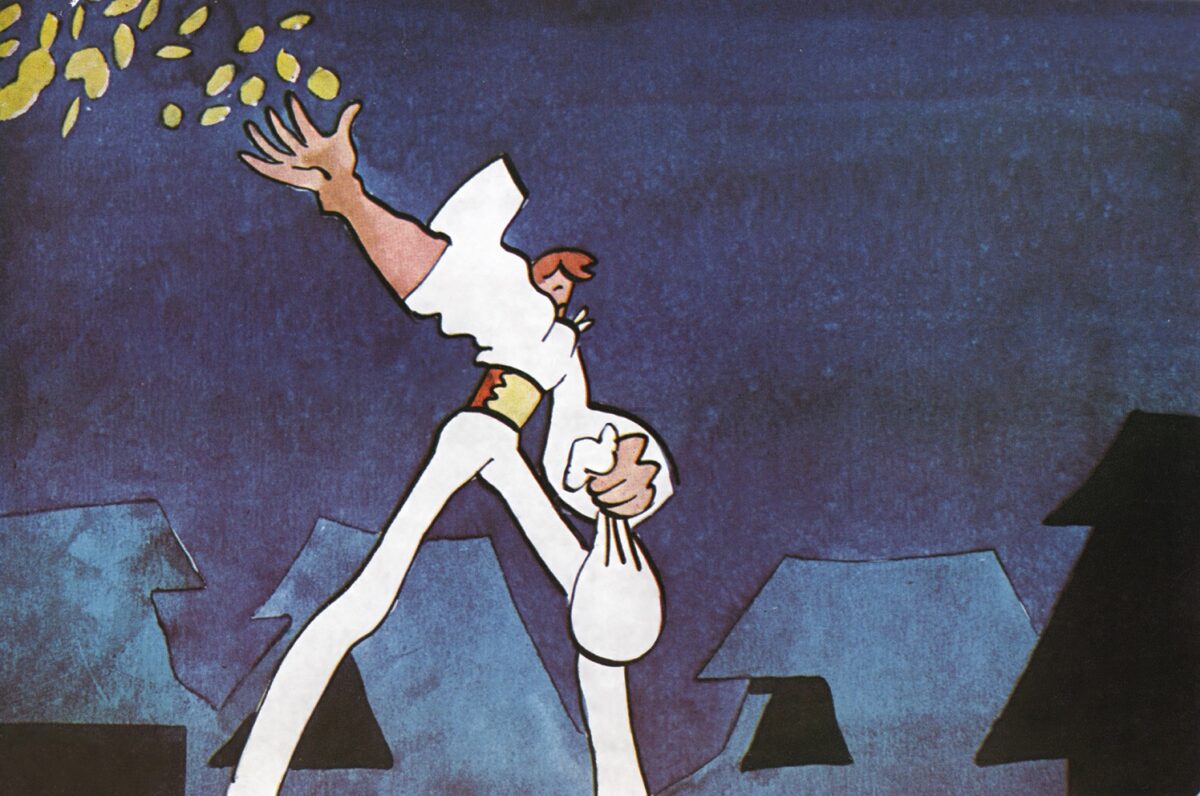
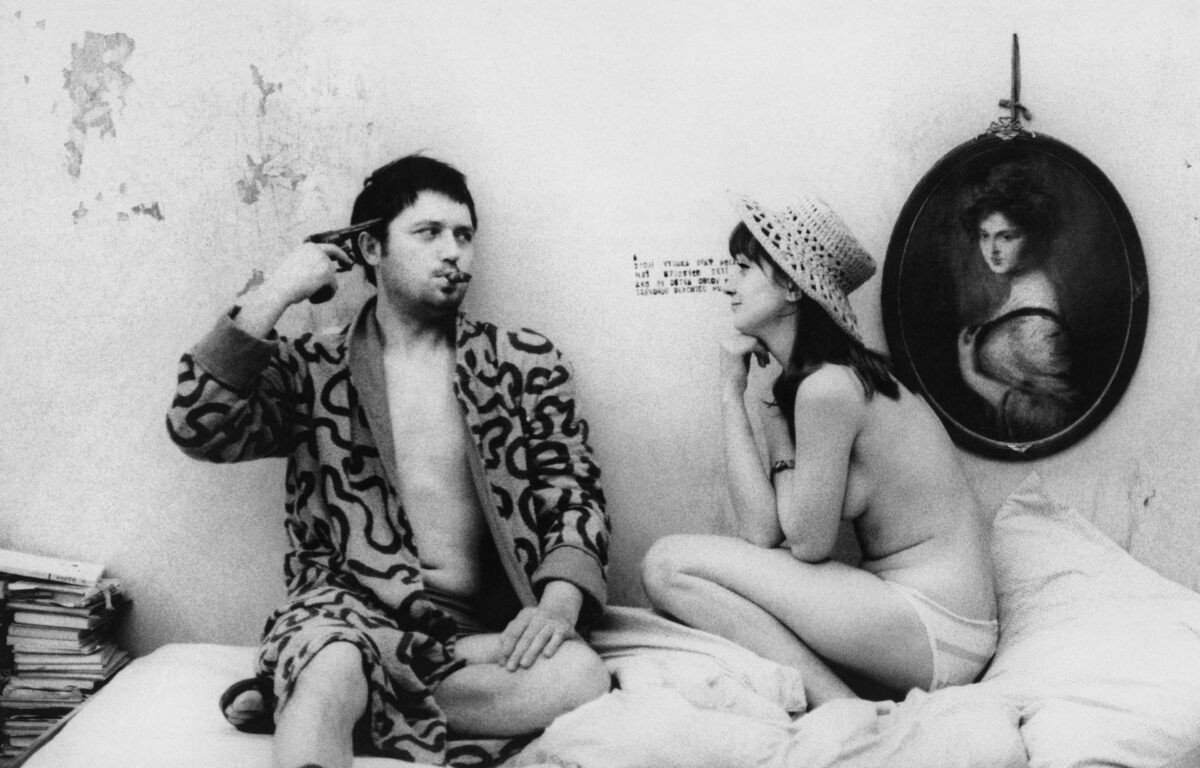
Igor and After was originally intended to be directed by the outstanding Slovak filmmaker Igor Luther himself and carried the working title Self-Portrait. The funding application was submitted as early as 2019. Sadly, Mr. Luther passed away in 2020. The fact that audiences will now be able to see the finished result suggests that you strongly believed this project had to exist. After these events, you took over the directing to complete the film. What was the process like?
Igor and After deals with the final years of the life of cinematographer Igor Luther, who was arguably the most successful Slovak filmmaker. He collaborated with Andrzej Wajda, Michael Haneke, Volker Schlöndorff, and many others, so I never doubted that a film about Igor should exist. In some ways, I guess we could say, my task was easier because Martin Šulík had already created a profile of Igor’s work (as part of a documentary series on the Czechoslovak New Wave). This allowed me to focus more on Igor’s personality and, let’s say, his peculiarities. From the very beginning, I knew Igor would never finish the film himself. During the first two years, that he spent working on it, he shot only one sequence – which is the one that ultimately closes the film. In that sense, Igor and I are quite similar. It took me then, another, six years to finish it.
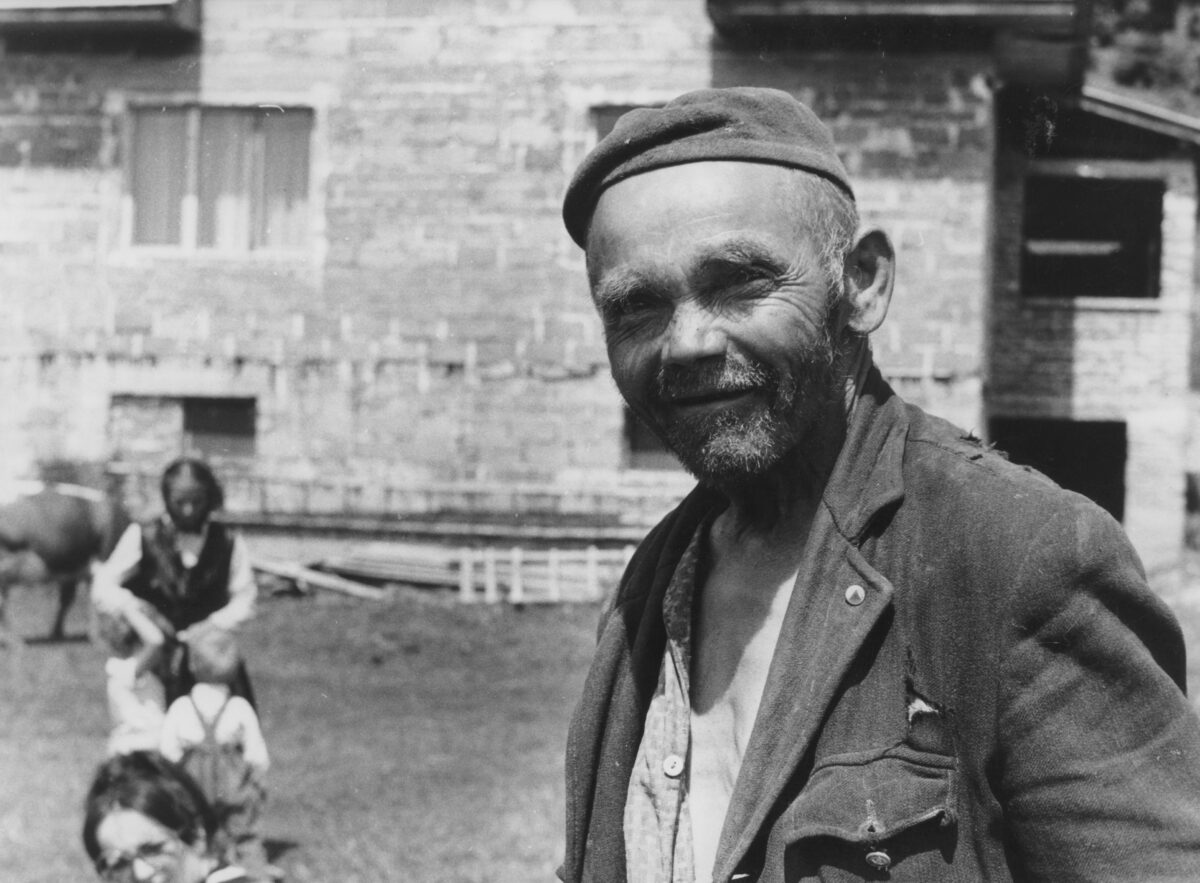
33 Steps, where you figure as a producer (prod. escadra), follows the story of Milan, a Roma man who was brutally attacked by neo-Nazis at the age of eighteen. Is the decision to premiere the film now also a way to highlight the fact that this issue remains highly relevant in our society (now perhaps even more)?
First of all, I should point out that the story takes place in Břeclav, so it primarily reflects the state of society in Moravia. What interested me most, however, was the way Šimon approaches the subject. He attempts to treat it in an innovative, and in some respects even experimental, manner.
Once the attention around these films calms down, what other projects are you currently working on? What can audiences look forward to in the future?
The next project I will probably be working on is a film about surrogacy with Eva Mores. We are also writing a film about Lata Brandisová, the only woman ever to win the Velká pardubická steeplechase. I would like to make a US remake of Only Beautiful Things to Look At, focusing on Native American communities. Together with Martin Šmok, I am developing a Cold War spy film. And with Igor Engler, we are planning to produce a crime thriller in the United States. So, in about five or six years, I may actually have some of these projects finished.
The interview was conducted by Veronika Krejčová (National Cinematographic Centre of the SFI).
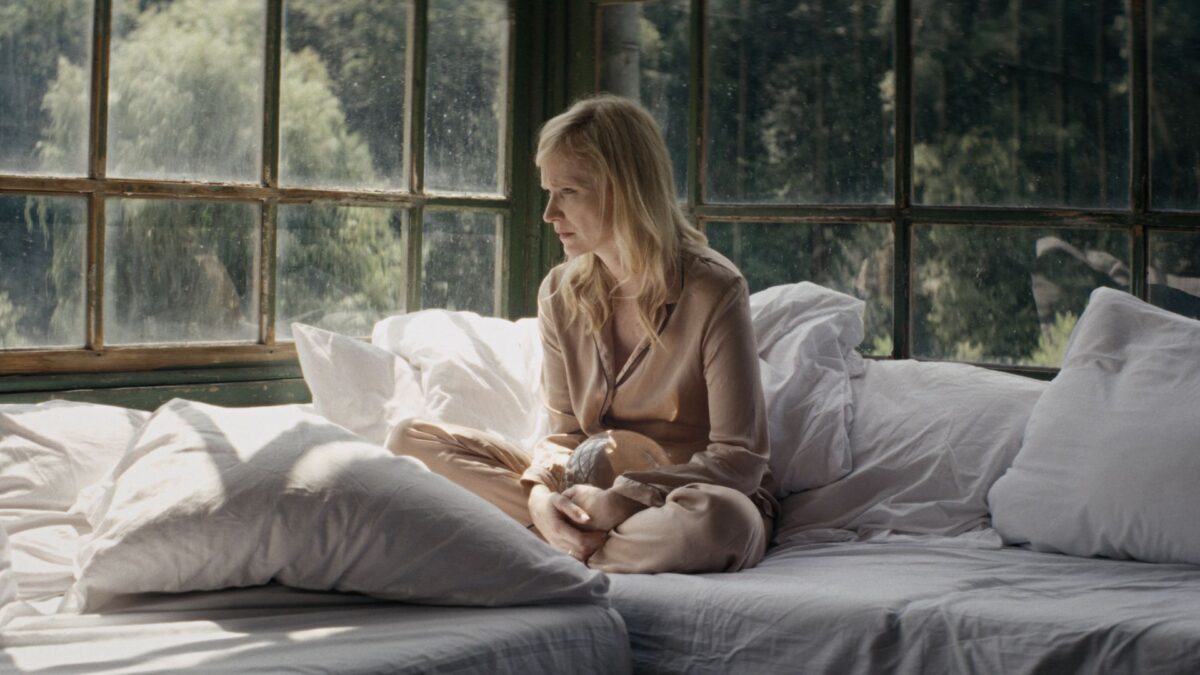
Only Beautiful Things To Look At
Crystal Globe Competition
Only Beautiful Things To Look At
Crystal Globe Competition
Screenings:
- July 5 | 10:30 | Congress Hall (Press & Industry)
- July 5 | 20:00 | Grand Hall (world premiere)
- July 6 | 13:00 | Pupp
- July 7 | 19:00 | Lazne III
- July 8 | 16:00 | Congress Hall
Igor and After
Special Screenings – Classics
Screenings:
- July 6 | 10:30 | Cinema A (Press & Industry)
- July 7 | 21:00 | Cas Cinema (world premiere)
- July 8 | 18:00 | Small Hall
- July10 | 09:00 | Drahomira Cinema
- July 11 | 14:00 | Husovka Theatre
33 Steps
Proxima Competition
Screenings:
- July 4 | 16:00 | Cinema C (Press & Industry)
- July 4 | 19:00 | Karlovy Vary Theatre (world premiere)
- July 5 | 15:00 | Cas Cinema
- July 6 | 13:00 | Lazne III
- July 7 | 14:00 | Cinema B