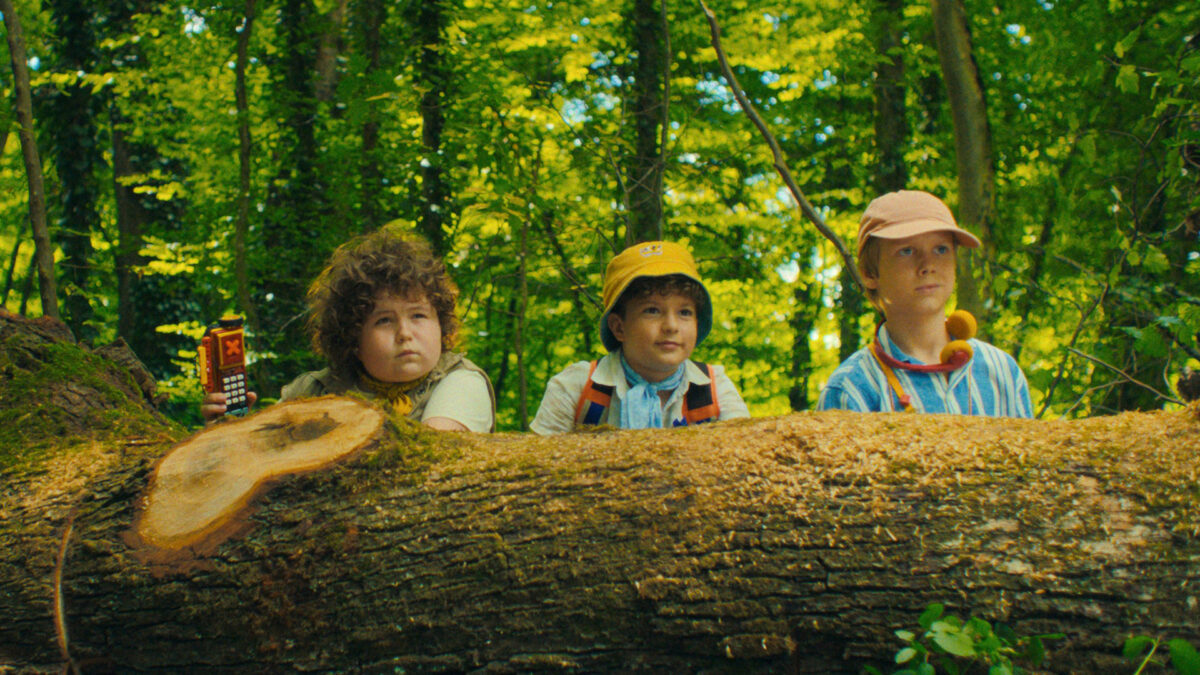
Cinemateca Capitólio in the Brazilian city of Porto Alegre is an important cultural and social space that brings the local community together. For the third consecutive time, it will present significant works of Czechoslovak cinema as part of its programme. From September 22 to October 11, it will host a showcase titled Literakino: Between the Words and Images of Czechoslovakia, giving local audiences the opportunity to see a total of seven Slovak feature-length films and three short animated works.
The event presents “an extensive overview of Czechoslovak cinema based on a dialogue between literature and film. The selection provides a historical cross-section of films made between 1930 and 1980 and focuses on adaptations of works by renowned Czechoslovak authors from different periods, films made by writers themselves, as well as feature-length films inspired by literary worlds,” according to the showcase’s international curators Leonardo Bomfim, Věra Matysíková and Rastislav Steranka, Director of the National Cinematography Centre of the Slovak Film Institute (SFÚ).
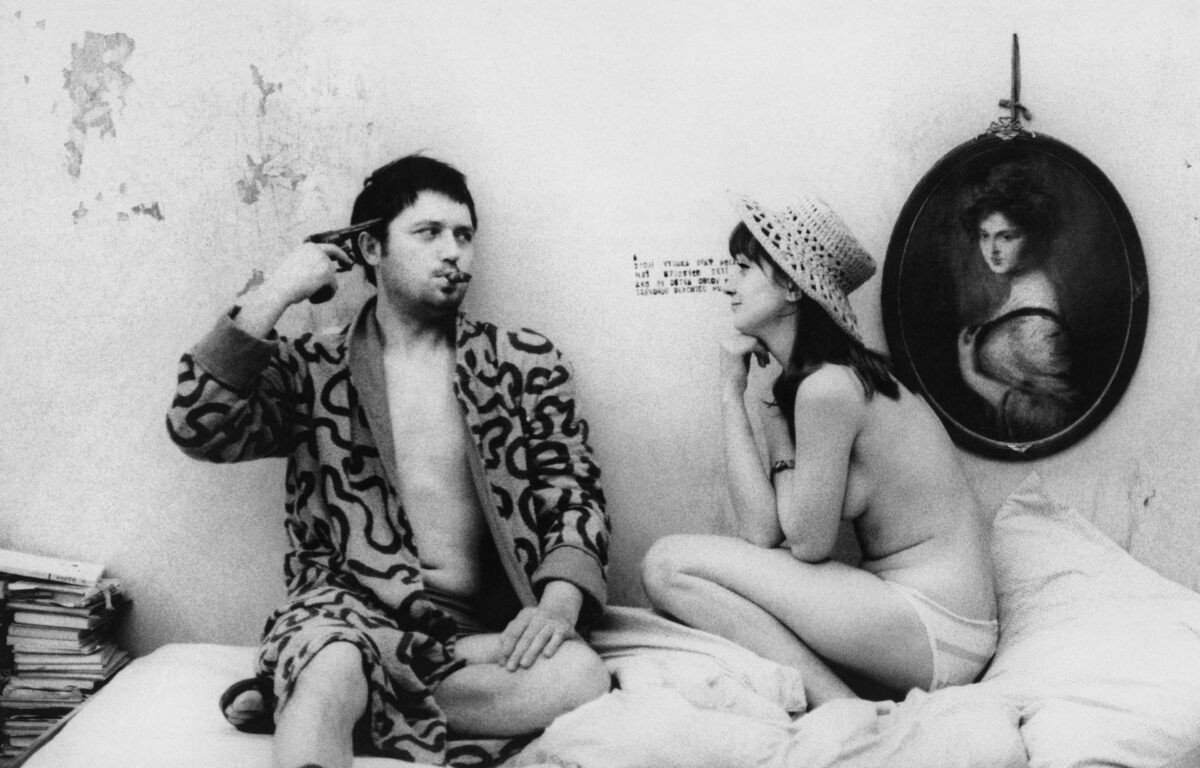
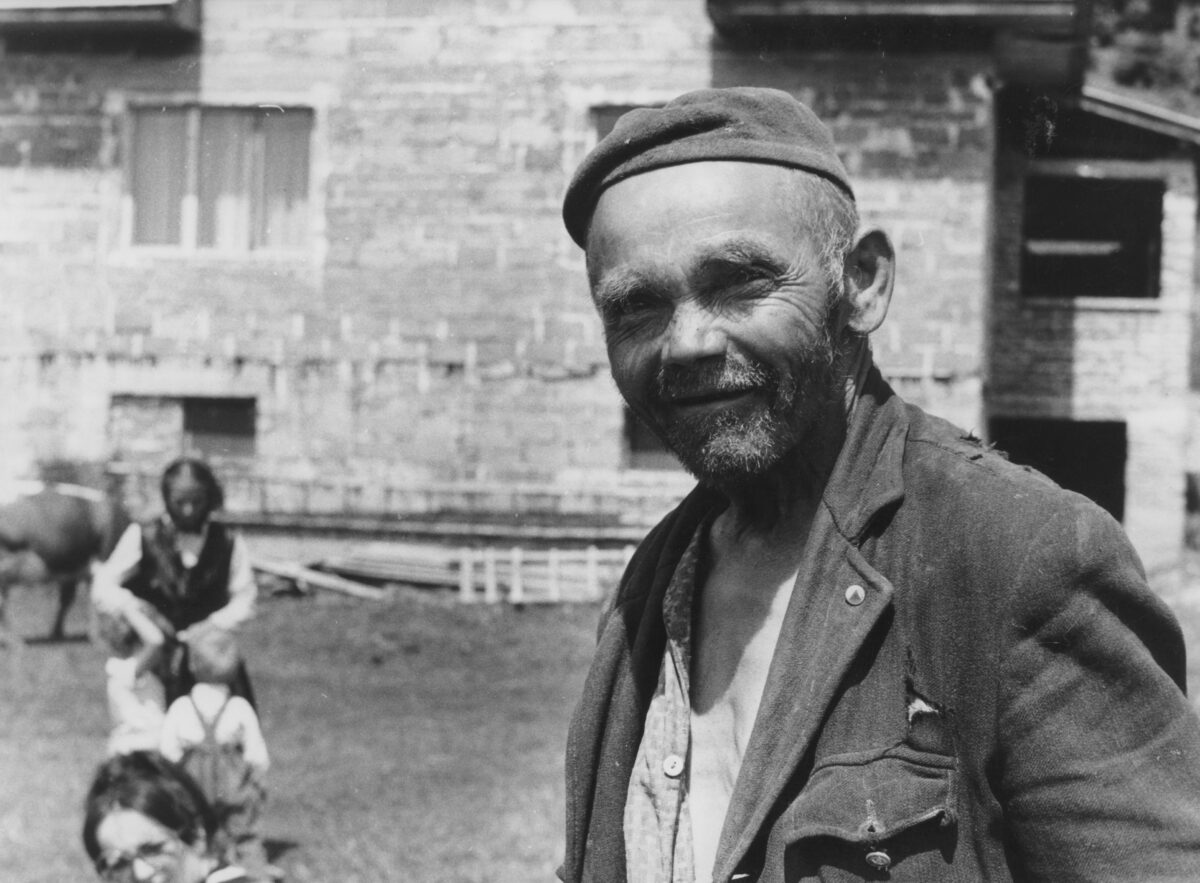
From the SFI collections, the showcase will screen Štefan Uher’s groundbreaking Czechoslovak New Wave film The Sun in a Net (1962), a lyrical story of the shy love between two young people, based on short stories by Alfonz Bednár. In his psychological drama Nylon Moon (1965), director Eduard Grečner reflects on young people’s attempts to escape their own dissatisfaction and the anxiety of the world around them. The film was based on a novella by Jaroslava Blažková. Jan Lacko’s sports comedy Soccer Fans (1960), about uncritical sports fans and hooligans on the playing field and in the stands, is a film adaptation of a novel by Ján Bodenek. Based on a short story of the same name by Peter Jaroš, the audience favourite Pacho, the Brigand of Hybe (1975), directed by Martin Ťapák, is a humorous brigand tale drawing on the tradition of folk humour.
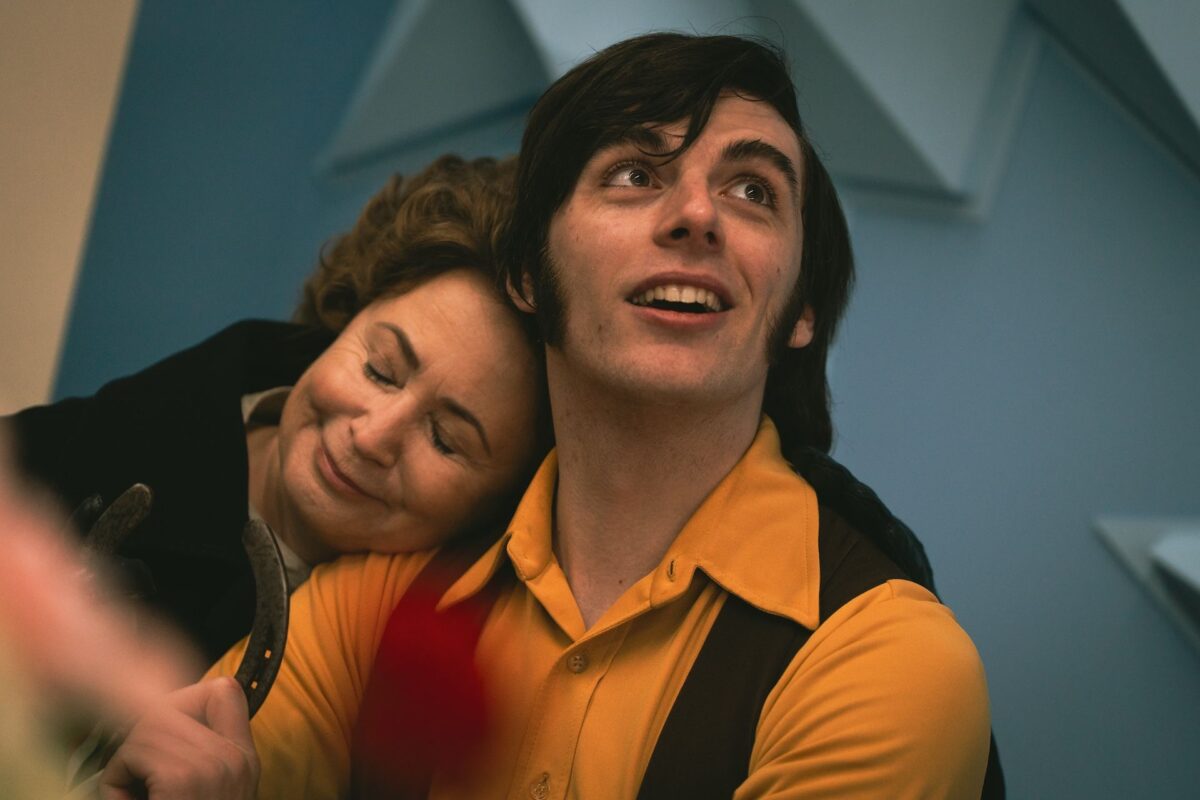
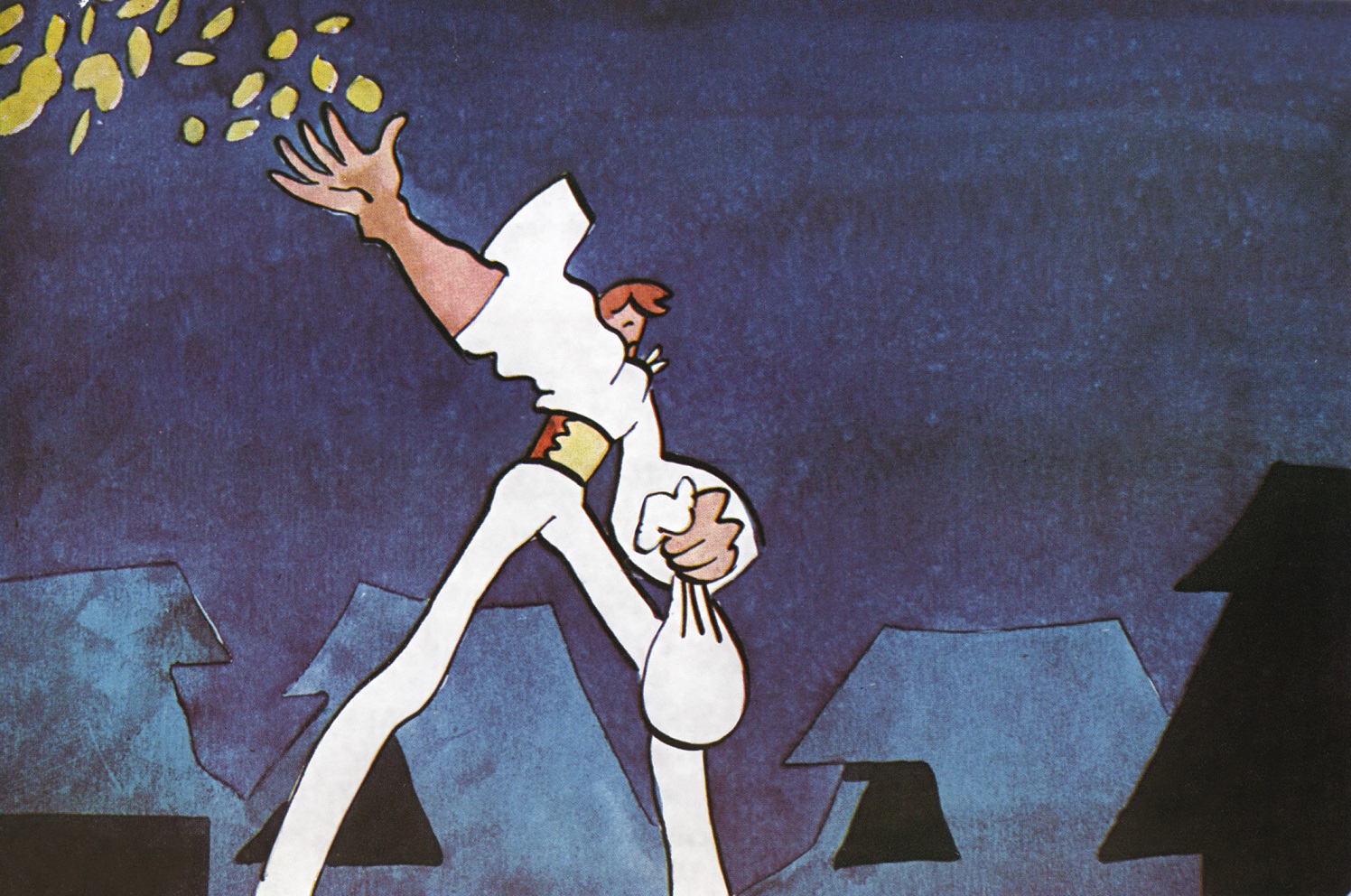
The programme also includes Martin Hollý’s The Copper Tower (1970), written by author and screenwriter Ivan Bukovčan. This dramatic story of three friends living in peaceful isolation in a mountain chalet in the High Tatras shows that even an unshakable friendship can be put to the hardest of tests. Dušan Hanák’s comedy Rosy Dreams (1976), about growing up, dreams and a first great but forbidden love, starring Iva Bittová and Juraj Nvota, was co-written by the director and writer and screenwriter Dušan Dušek. The selection is completed by Brigand Jurko (1976), the first Slovak feature-length animated film, directed by Viktor Kubal. It follows new adventures of the Slovak outlaw Juraj Jánošík, a hero who hated injustice and fought against social oppression.
Two short films by Viktor Kubal will also be screened in Porto Alegre. The animated grotesque The Well of Love (1944), based on Jozef Nižnánsky’s novel about the construction of a well at Trenčín Castle, and Tom Thumb at the Magician’s (1973), about the little fairy-tale hero’s desire to become tall. The programme will also feature Eye (1968), a short experimental film about the tragedy of human malice by director and playwright Juraj Bindzár. One of the evenings will be devoted to the student work of Juraj Jakubisko. Accompanied by a video presentation by Czech film researcher Klára Trsková, two of Jakubisko’s films made at Prague’s FAMU will be screened: Rain (1965), inspired by the figure of Czech poet Vladimíra Čerepková, and Waiting for Godot (1966), influenced by the work of Irish playwright Samuel Beckett.
The Literakino: Between the Words and Images of Czechoslovakia showcase in Porto Alegre follows the successful events Heroines of Czechoslovak Film and The Forbidden Czechoslovak World.
More information is available on the official Cinemateca Capitólio website