From November 20 to December 6, the prestigious Museum of Modern Art (MoMA) in New York will host a retrospective titled Shadows of the Spring. The Normalization Era in Czechoslovakia. The program features the screening of 14 Czechoslovak films produced between 1971 and 1986. The selection includes works by Dušan Hanák, Dušan Trančík, Martin Hollý, and Juraj Jakubisko, drawn from the collections of the Slovak Film Institute. Magda Vášáryová – who starred in several of the featured films – will be present at the event.
“After the Warsaw Pact invasion of 1968, Czechoslovak cinema’s great decade ended along with the political freedoms of the Prague Spring – or at least that’s the received wisdom,” explains Christopher Small, a guest curator at MoMA who organized the retrospective of films from the “normalization” era. The Slovak portion was curated in collaboration with Rastislav Steranka, director of the National Cinematographic Centre at the Slovak Film Institute. “The films in this series tell a different story. Released between 1971 and 1986, when the state’s so-called ‘normalization’ policies were at their most stifling, these films suggest that, even in the bleakest of political climates, enterprising artists will continue to create, even under radically altered conditions,” says Small. According to him, this period saw the emergence of diverse genres, including biopics, supernatural comedies, border Westerns, character studies, psychedelic fairy tales, and existential dramas; yet, “this long-maligned period of Czechoslovak cinema is rarely considered as a distinct era with its own texture and cast of characters.”
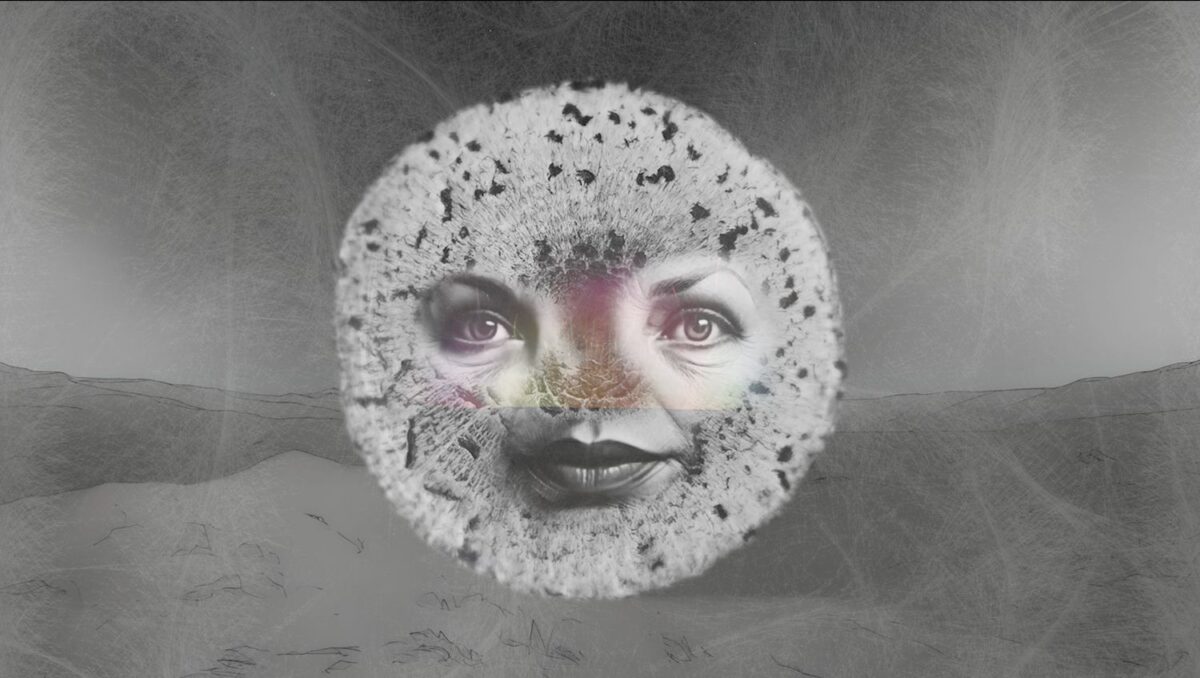
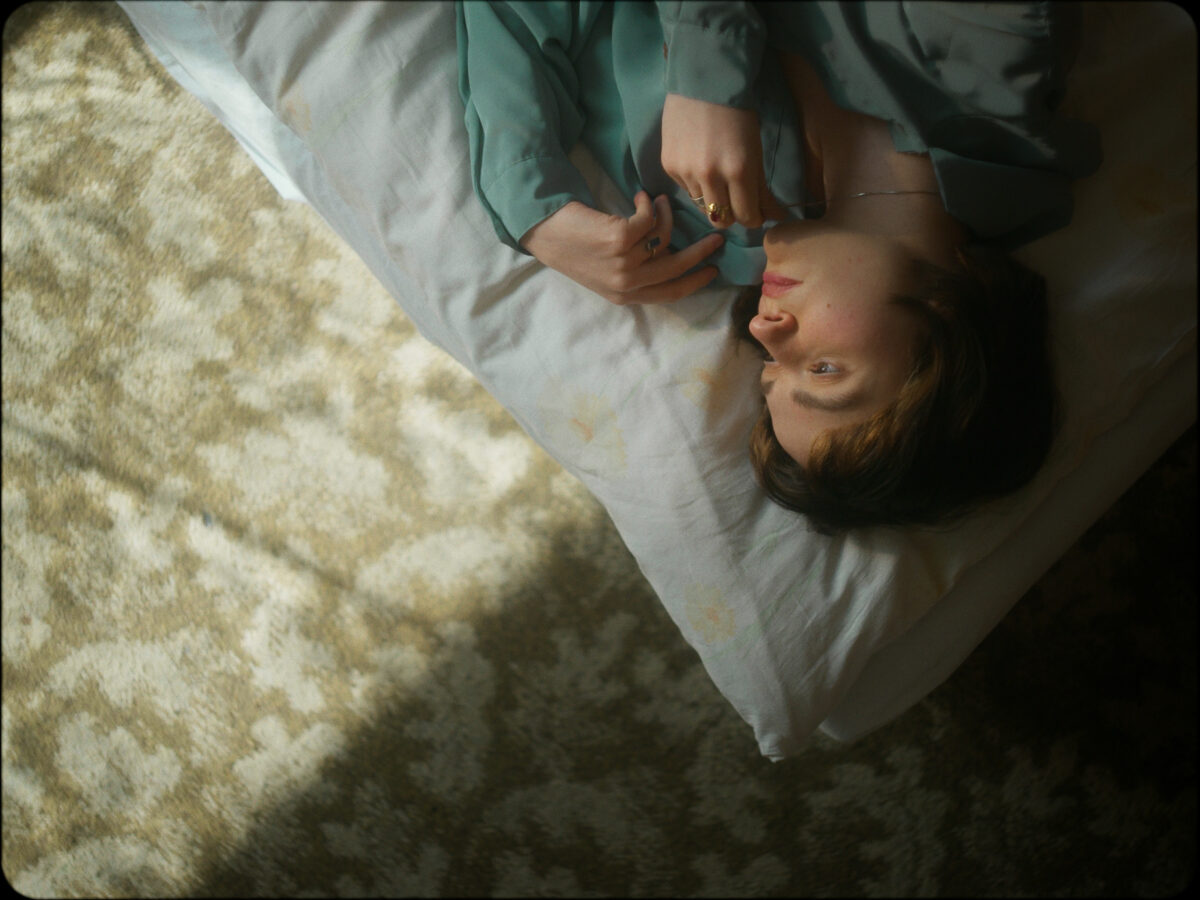
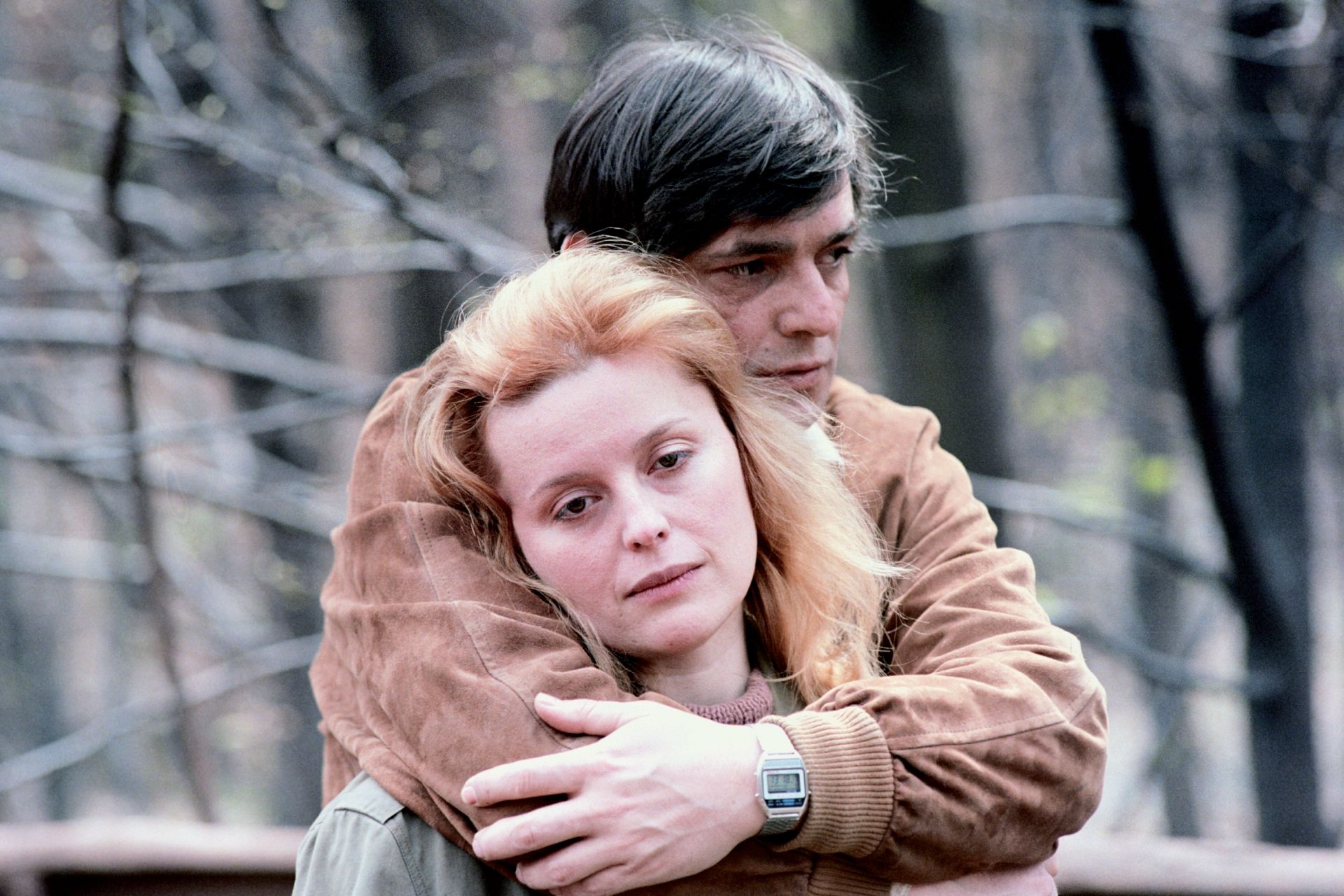
The showcase presents works by filmmakers who remained in Czechoslovakia during the era of “normalization”. “They remained, though some were initially banned from directing or forced to work in genres and forms not of their choosing,” says Christopher Small. “Their films of this period often show the strain of that adjustment, as they wrestled with official mandates and harsh supervision, struggling to impose their personality on material that often defied them.” The four films selected from the Slovak Film Institute’s collections were also produced under this rigorous regime of approval. These include two psychological dramas: Dušan Hanák’s Silent Joy (1986), which follows a 36-year-old nurse searching for meaning in her life, and Dušan Trančík’s Another Love (1985), set among forestry workers in a harsh mountain environment and filled with personal conflicts and dramatic tension. The selection also features Martin Hollý’s Night Riders (1981) – an adventure drama about horse smuggling along the Slovak-Polish border during the early days of the Czechoslovak Republic, centered on a conflict between two uncompromising men – as well as Juraj Jakubisko’s fairy tale The Feather Fairy (1985), which captures the human longing for happiness, understanding, and love, alongside the drive to overcome obstacles and triumph over death.
„Although the film Another Love is 40 years old, I consider its screening an honor, and I am grateful in advance to the American audience for the time they will spend watching it,” says director Dušan Trančík ahead of the screening of his film at the prestigious MoMA, as part of a series showcasing works produced during the “normalization” era. “The story is set within the corrupt environment of a Slovak village – a setting traditionally associated with ‘untainted’ values. The film’s fate was shaped by censorship; the studio management demanded changes, as the narrative could not end in murder under the socialist regime. Before long, however, the thaw brought about by perestroika – which influenced culture across Eastern Europe – allowed the film to be screened at various festivals.” Christopher Small, the curator of the series, notes that the filmmakers managed to push the boundaries as far as was possible during the “normalization” period of the 1980s. Small will introduce the film alongside Rastislav Steranka; the pair will also present Martin Hollý’s Night Riders.
Dušan Hanák’s film Silent Joy returns to MoMA after 30 years. In the autumn of 1996, the museum hosted a dedicated retrospective of Hanák’s films. It marked a significant achievement for Slovak cinema in its modern history; the retrospective included all of Hanák’s feature-length works along with a selection of his short films. “I am pleased that one of them has returned to this free cultural space,” says Hanák today, on the occasion of the screening of Silent Joy at MoMA. “The characters in my films are searching for themselves and for the meaning of their lives. The totalitarian regime forced us all to be the same, to conform to it. Soňa, a nurse, wants to change her life. She seeks her inner freedom and a life in which she can be content with herself. It is not a political film, but it came into being because I was interested in the inner freedom of women who, during the years of ‘normalization,’ asserted their claim to basic human rights.” Magda Vášáryová, who plays the lead female role, will present the film to the audience alongside curator Small. She will also introduce other films in which she appeared during the retrospective.
In addition to four films from the Slovak Film Institute collections, the program will feature the following Czechoslovak titles: The Little Mermaid (1976) by Karel Kachyňa, Cutting It Short (1980) by Jiří Menzel, …And Give My Love to the Swallows (1972) by Jaromil Jireš, Serpent’s Poison (1981) by František Vláčil, The Girl on the Broomstick (1971) by Václav Vorlíček, Beauty and the Beast (1978) by Juraj Herz, Long Live Ghosts! (1977) by Oldřich Lipský, Operation Ball Lightning (1978) by Ladislav Smoljak and Zdeněk Podskalský, The Very Late Afternoon of a Faun (1983) by Věra Chytilová, and The Downfall of the Secluded Farm Berhof (1983) by Jiří Svoboda. In closing, the series curator, Christopher Small, notes that the program Shadows of the Spring. The Normalization Era in Czechoslovakia “is not the story of these filmmakers’ capitulation, but rather of the indomitability of the human spirit, as they remained standing upon shifting aesthetic and political sands, and maintained a measure of creative integrity against the odds.”